
When we think about productivity, we usually focus on time management, technology, or workplace culture. But there’s another powerful factor that often goes unnoticed, being indoor air quality (IAQ). Whether in an office, classroom, or home workspace, the air you breathe directly affects how clearly you think, how energized you feel, and how well you perform throughout the day.
Why Air Quality Matters for Focus & Performance
Indoor air can contain dust, pollen, mold spores, pet dander, volatile organic compounds, and fine particulate matter (PM2.5). In many cases, indoor air can actually be more polluted than outdoor air due to poor ventilation and trapped contaminants. When air quality is compromised, people often experience:
- Brain fog
- Headaches
- Fatigue
- Allergy symptoms
- Irritated eyes or throat
- Reduced concentration
Even mild exposure to pollutants can subtly impact cognitive function. Studies have shown that elevated carbon dioxide levels in enclosed spaces can impair decision-making and problem-solving skills. In schools, poor ventilation has been linked to decreased attention and academic performance. In offices, it can lead to slower task completion and increased sick days. Simply put, cleaner air supports clearer thinking.
Common Indoor Air Triggers
Several factors contribute to poor indoor air quality, being:
- Inadequate Ventilation: Sealed buildings trap stale air.
- HVAC System Buildup: Dust and debris accumulate in ducts and filters.
- Office Equipment Emissions: Printers and copiers release fine particles.
- Cleaning Products: Many contain airborne chemicals.
- Outdoor Pollutants Entering Indoors: Traffic exhaust and wildfire smoke can seep inside.
Understanding these sources helps you take proactive steps to improve your environment.
Practical Ways to Improve Indoor Air Quality
Improving indoor air doesn’t require a complete overhaul. Small changes can make a noticeable difference.
- Improve Ventilation: Open windows when outdoor air quality permits, use exhaust fans in kitchens and restrooms, ensure HVAC systems are properly maintained, and replace air filters regularly. Remember, good airflow helps dilute indoor pollutants and reduce CO₂ buildup.
- Add Air Purifiers: Portable air purifiers with HEPA filters can capture fine particles, including PM2.5 and allergens. They’re especially helpful in shared workspaces or classrooms where ventilation is limited.
- Incorporate Air-Supporting Plants: While plants alone won’t purify a room completely, they can support overall air freshness and improve mood. Popular choices include snake plants, spider plants, peace lilies.
- Reduce Pollutant Sources: Choose low-VOC cleaning products, keep carpets and upholstery clean, avoid synthetic air fresheners, and limit indoor smoking or burning candles. Preventing pollutants from entering the air is just as important as filtering them out.
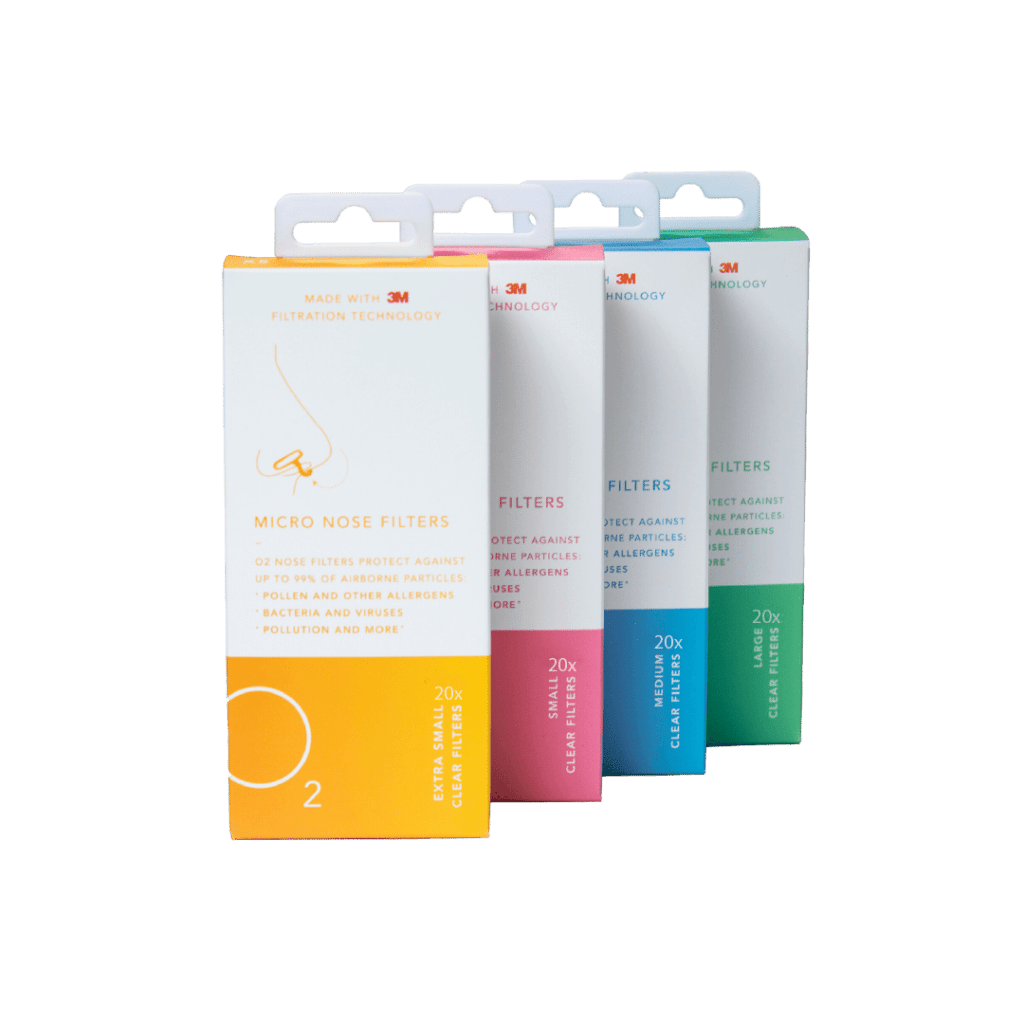
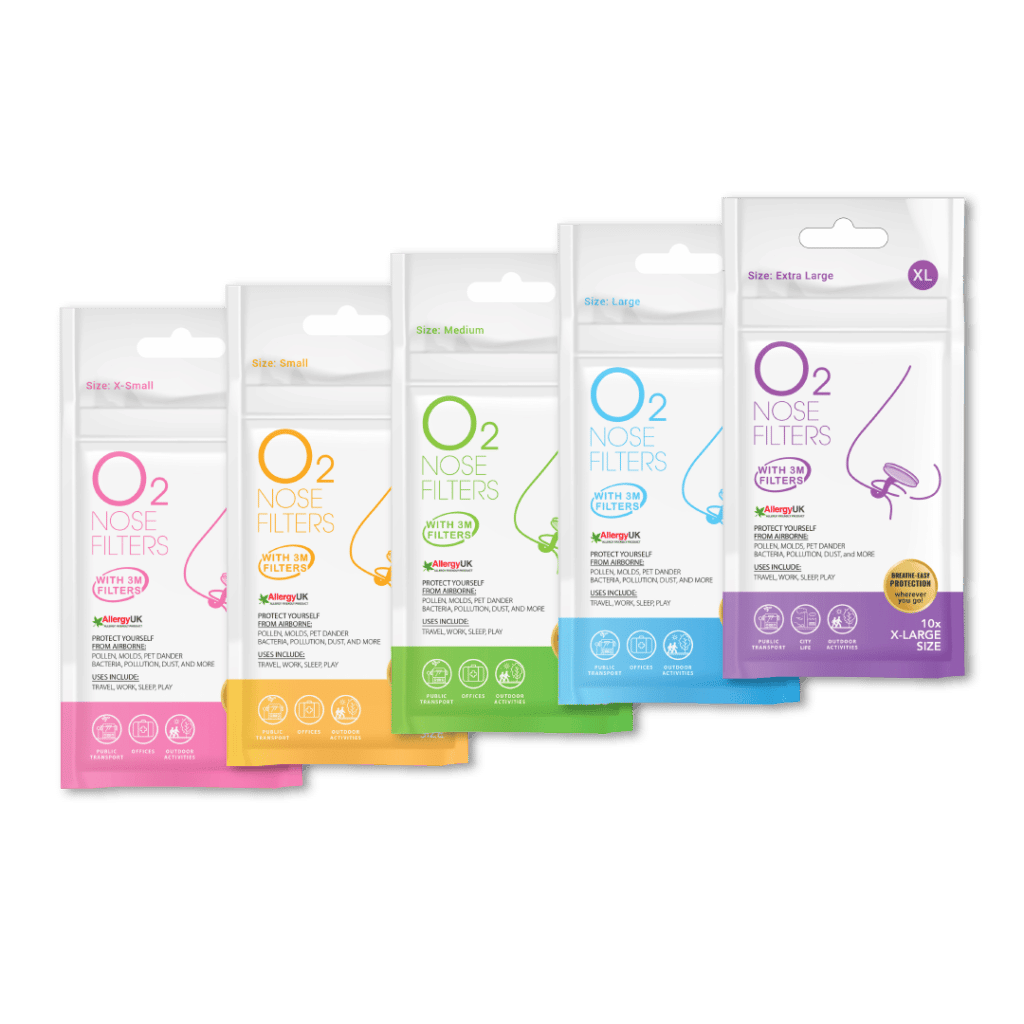
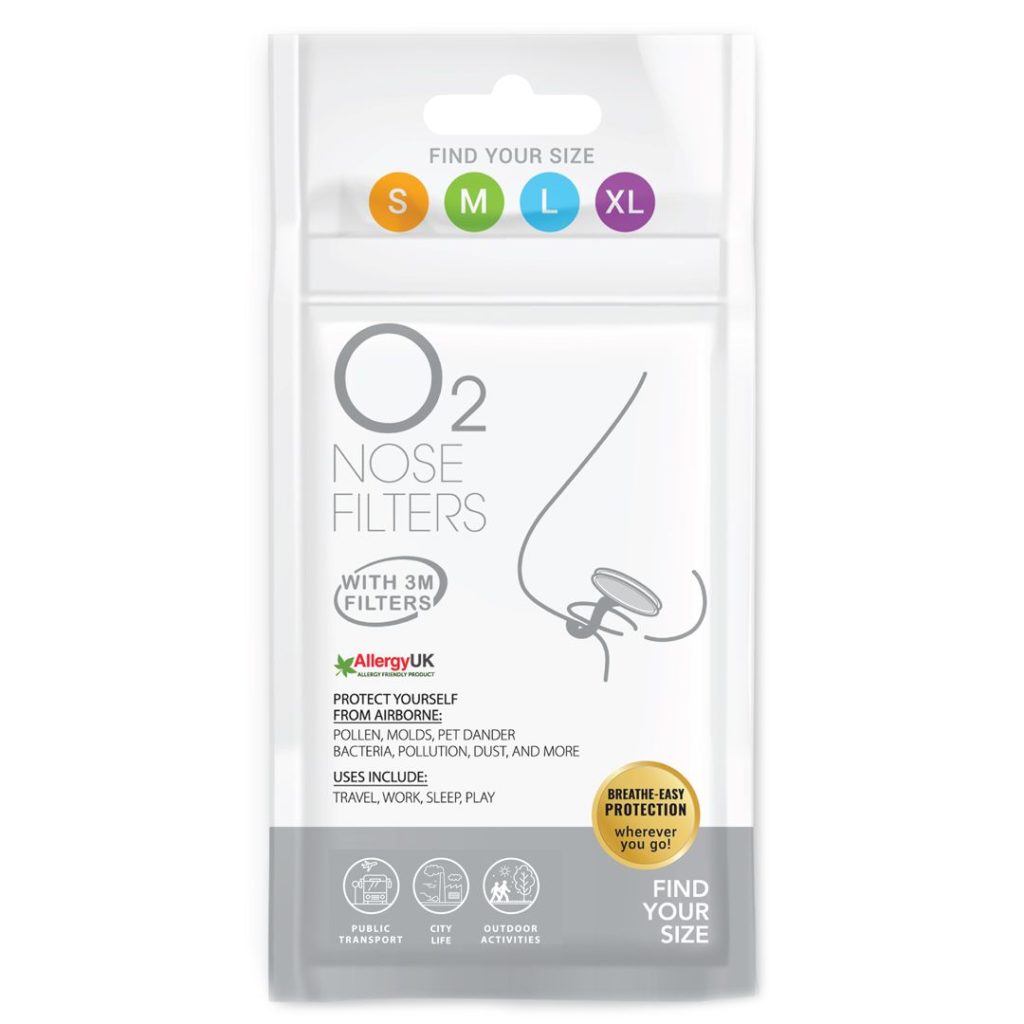
- Support Your Personal Air Space: Even in well-maintained buildings, you can’t always control every factor, especially in shared environments. Personal air filtration, such as O2 Nose Filters, can provide an added layer of protection against dust, allergens, and fine airborne particles.
Breathe Better & Perform Better with O2 Nose Filters
Clean air isn’t a luxury, it’s a foundation for productivity. When your brain gets the oxygen it needs without interference from pollutants, focus sharpens, energy improves, and daily tasks feel more manageable.
For an added layer of personal protection in offices, classrooms, or shared spaces, O2 Nose Filters offer discreet, comfortable nasal filtration designed to help reduce exposure to airborne particles throughout your day. Take control of the air you breathe, give your productivity the boost it deserves with O2 Nose Filters.
Recommended products
-

O2 Nose Filters | 20 Pack
$18.95 -
O2 Nose Filters | 10 Pack
$10.95 — or subscribe to save 10% -
O2 Nose Filters Sizing Pack
$5.99