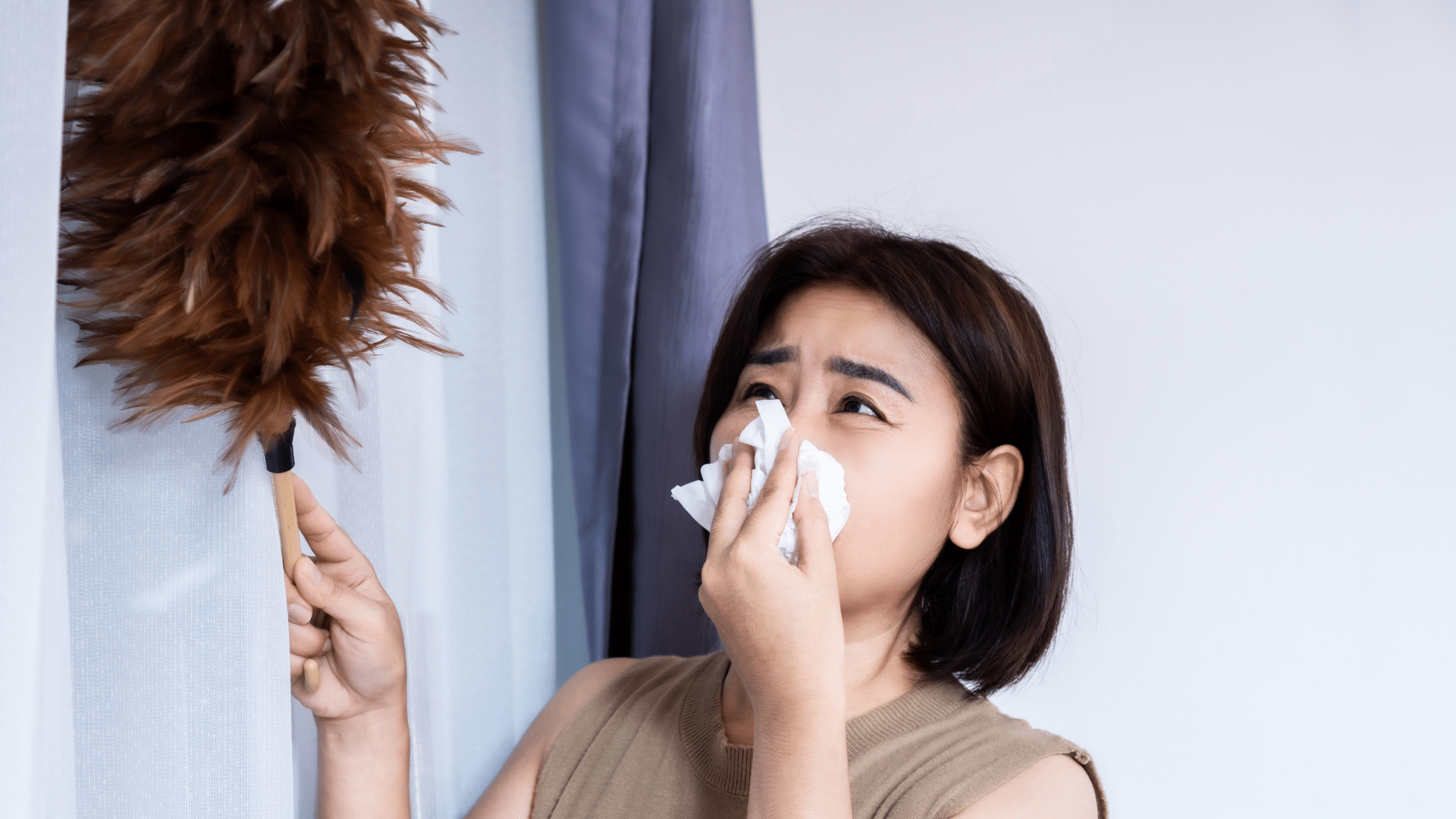
Dust may seem like a harmless irritant, but what most people don’t realize is that the air we breathe indoors can be more polluted than the air outside. Household dust is not just made up of dirt as it’s a complex mix of microscopic particles that can carry harmful chemicals, allergens, and toxins. Inhaling dust over time can pose serious health risks, especially for vulnerable groups. Fortunately, understanding the risks and taking preventative steps, like using O2 Nose Filters, can help reduce your exposure and keep your lungs healthy.
What’s Really in Household Dust?
Household dust is composed of a combination of substances that come from a variety of sources. Common particles include:
- Dead Skin Cells
- Fabric Fibers
- Pet Dander
- Mold Spores
- Pollen
- Metals Such as Lead & Mercury
- Phthalates and Other Various Chemicals from Plastics
Many of these chemicals are classified as endocrine disruptors or carcinogens. For example, flame retardants and phthalates have been linked to hormone disruption, developmental problems, and even cancer. While individual exposures may seem small, the effect of breathing in these particles over time can be significant.
Who’s Most at Risk?
While inhaling dust can affect anyone, certain populations are more vulnerable to its harmful effects:
- Children: Kid lungs are still developing, and they spend more time playing on the floor where dust accumulates.
- Elderly Individuals: They often have weaker immune and respiratory systems.
- People With Asthma or Allergies: Dust can trigger flare-ups and make symptoms worse.
- Immunocompromised Individuals: Some peoples’ bodies have a harder time fighting off potential infections carried in dust.
Even healthy adults can suffer from chronic exposure to indoor dust; experiencing symptoms like coughing, sneezing, shortness of breath, or fatigue.
How to Safely Get Rid of Dust
Proper dust removal is as much about tidiness as it is about protecting your health. Here are some safe and effective dust-cleaning tips:
- Use a damp cloth to wipe surfaces so dust doesn’t become airborne.
- Vacuum with a HEPA filter to trap fine particles rather than recirculating them into the air.
- Wash bedding and curtains regularly.
- Consider using an air purifier.
Consistency is key as regular cleaning greatly reduces your exposure to harmful dust.
O2 Nose Filters: Protection Against Dust
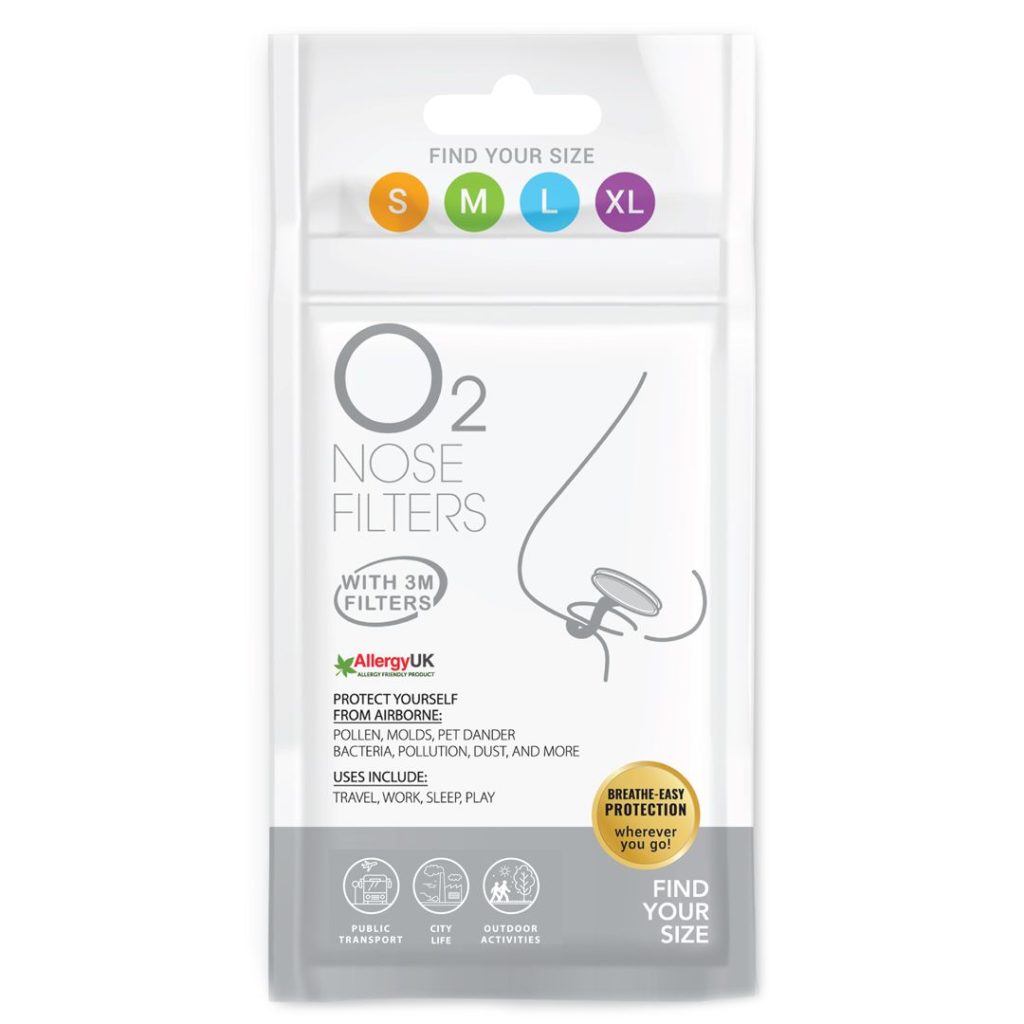
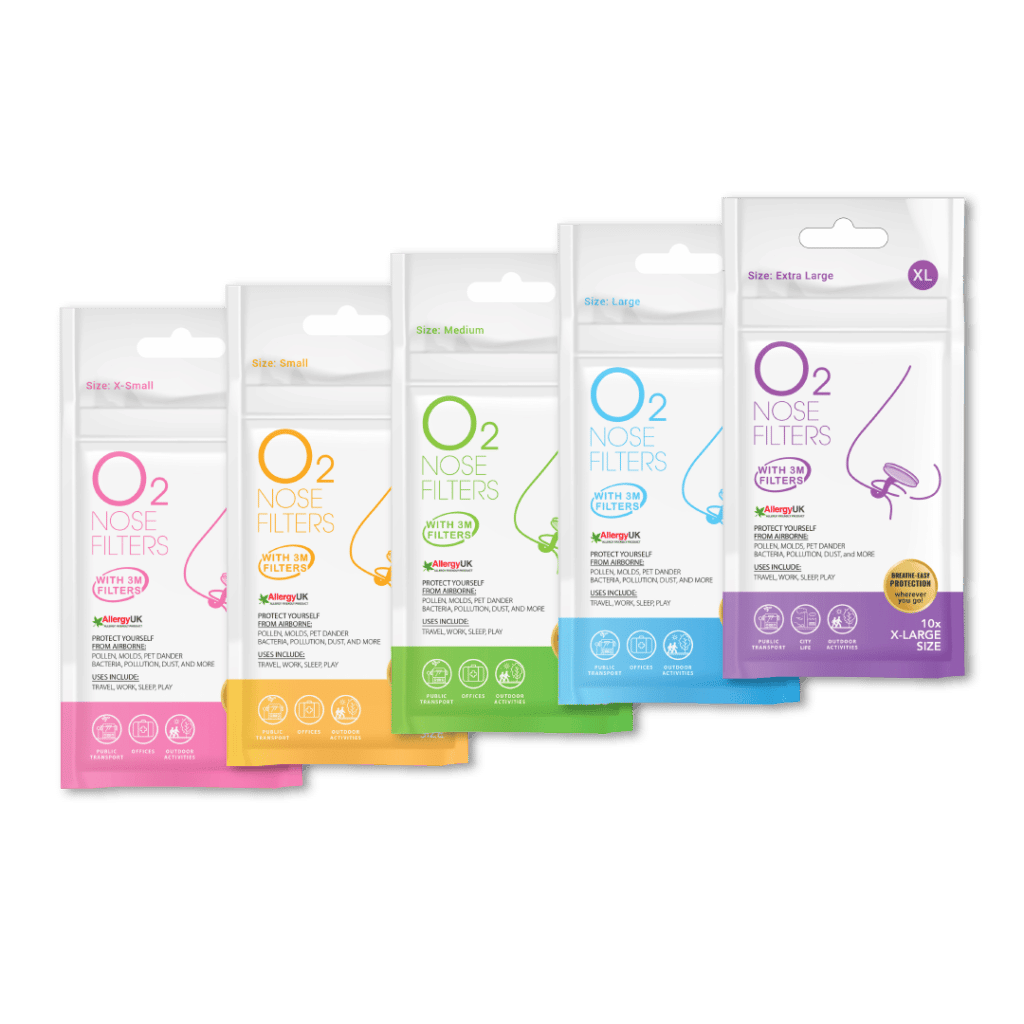
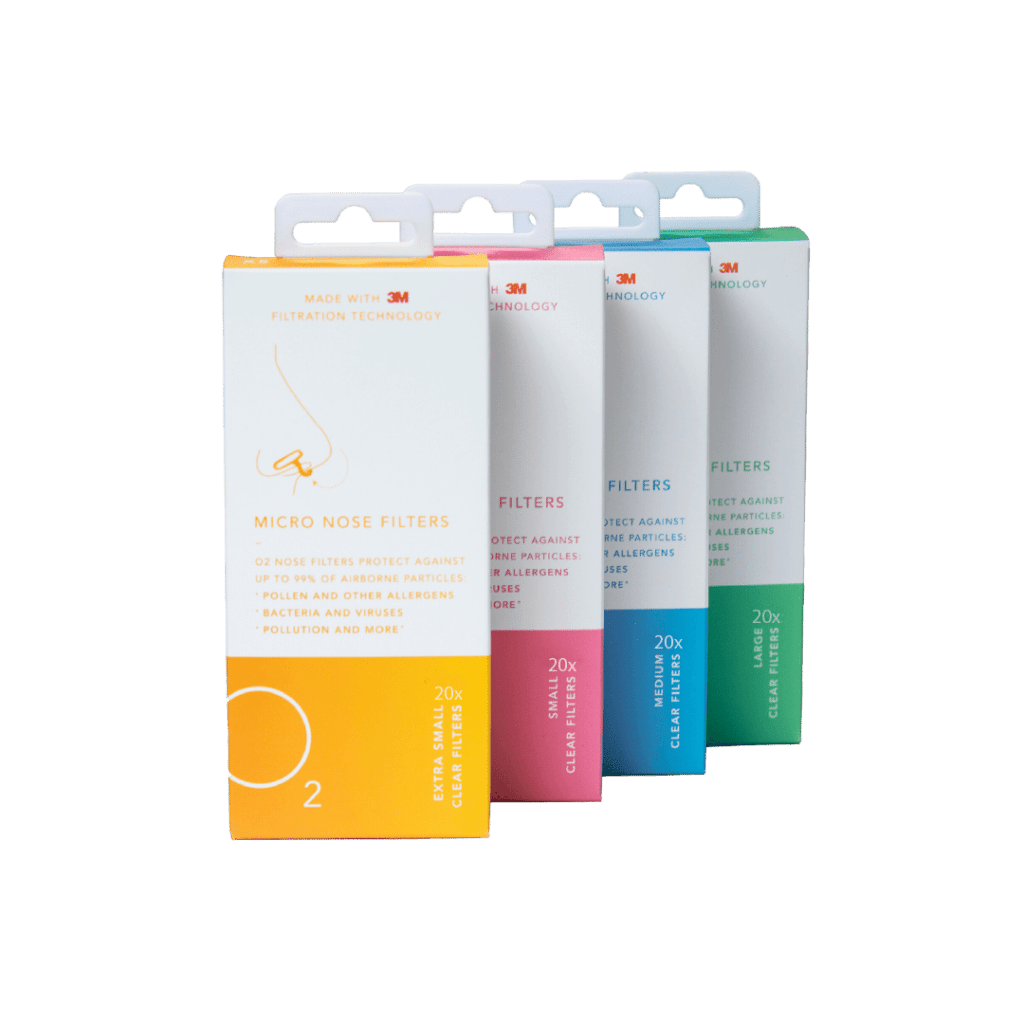
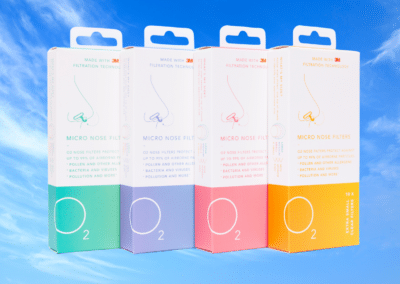
Even with good cleaning habits, it’s nearly impossible to eliminate all dust from your home. That’s where O2 Nose Filters come in. These discreet, wearable filters fit comfortably just inside your nostrils and are designed to block airborne particles, including fine dust, pollen, mold spores, and other pollutants.
O2 Nose Filters use advanced filtration technology to trap microscopic dust particles before they enter your respiratory system. They’re especially useful in high-dust environments; whether you’re cleaning, doing home renovations, or just sensitive to allergens. Best of all, they’re almost invisible and don’t interfere with breathing or speaking, making them an ideal everyday solution for anyone looking to reduce inhaled dust exposure.
Household dust is more than just an inconvenience as it’s a health hazard that too often goes ignored. By understanding what’s in your dust, taking steps to clean effectively, and using innovative tools like O2 Nose Filters, you can significantly reduce your exposure and protect your respiratory health.
Recommended products
-

O2 Nose Filters Sizing Pack
$5.99 -
O2 Nose Filters | 10 Pack
$10.95 — or subscribe to save 10% -
O2 Nose Filters | 20 Pack
$18.95