Whether you’re a construction worker, contractor, DIY homeowner, or simply walking past an active job site, you’ve likely been exposed to construction dust. While it may look like harmless dirt in the air, construction dust often contains microscopic particles that can pose serious health risks when inhaled over time.
From respirable crystalline silica to wood dust and cement particles, airborne construction dust can travel deep into your respiratory system, potentially causing both short and long-term health problems. Understanding what’s in construction dust, and how to reduce your exposure, can help protect your lungs and support healthier breathing.
What Is Construction Dust?
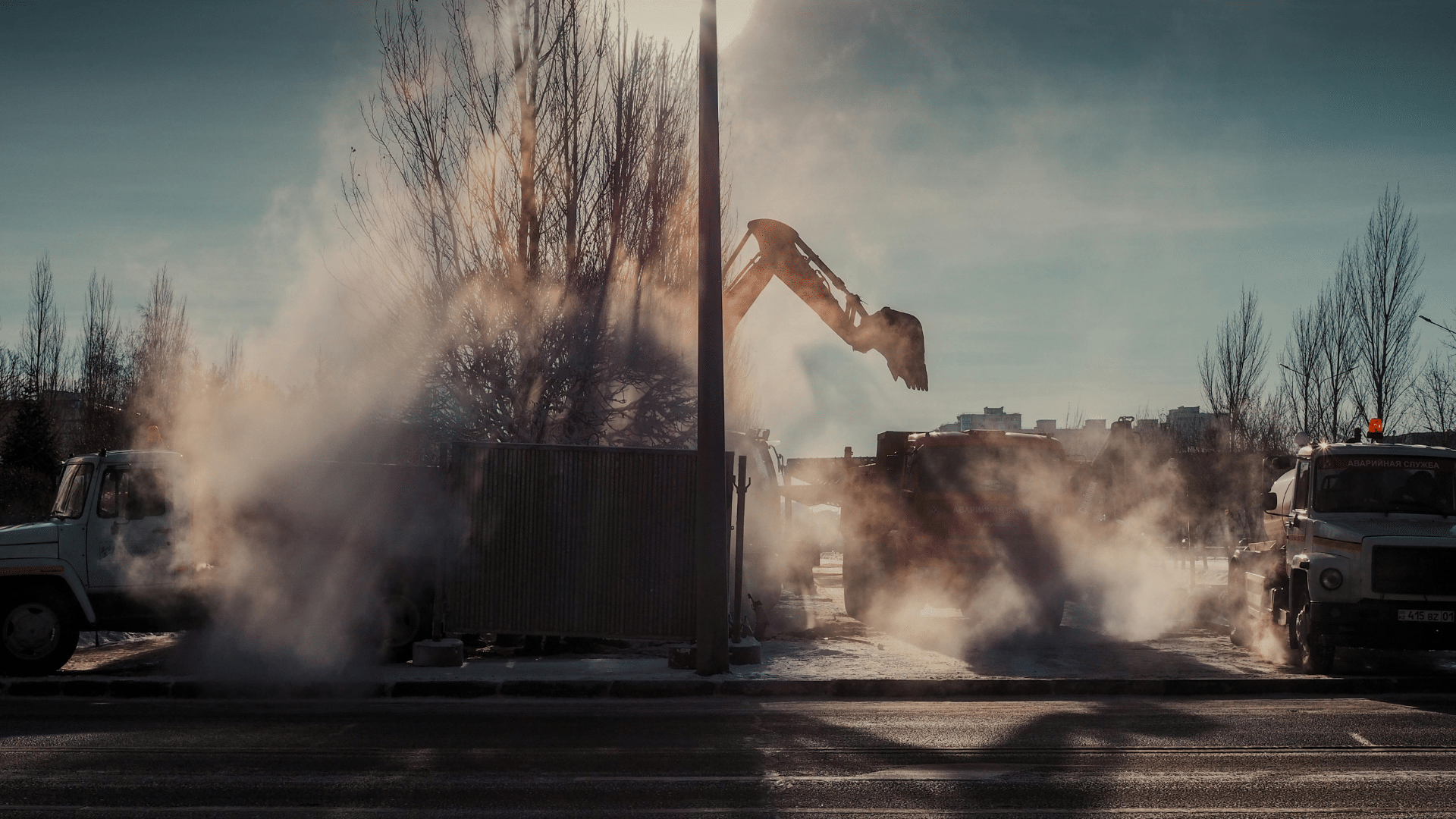
Construction dust is a mixture of fine airborne particles created during activities such as cutting, drilling, sanding, grinding, demolishing, and moving building materials. Because these particles vary in size and composition, some settle quickly while others remain suspended in the air for hours, making them easy to inhale.
Construction site dust commonly contains:
- Respirable crystalline silica from cutting concrete, brick, stone, tile, and mortar
- Wood dust produced during sawing, sanding, or routing lumber
- Drywall dust containing gypsum and other additives
- Cement and concrete dust
- Fiberglass particles
- Metal dust generated during grinding, welding, or cutting
- General airborne contaminants such as dirt, pollen, mold spores, and debris stirred up by heavy equipment
Although many of these particles are invisible to the naked eye, they can still enter your nose and lungs with every breath.
Why Is Construction Dust Dangerous?
Not all construction dust presents the same level of risk, but some forms can be especially hazardous. One of the most concerning is respirable crystalline silica, an extremely fine dust released when materials like concrete, brick, stone, or masonry are cut or broken apart.
According to OSHA, repeated exposure to respirable crystalline silica has been linked to serious health conditions, including:
- Silicosis
- Chronic obstructive pulmonary disease (COPD)
- Lung cancer
- Kidney disease
- Reduced lung function
Even when dust doesn’t contain silica, breathing airborne particles can still irritate your eyes, nose, throat, and lungs. Frequent exposure may contribute to chronic coughing, asthma symptoms, bronchitis, and other respiratory conditions, particularly when proper dust control measures aren’t used.
Who Is Most at Risk for Construction Dust Exposure?
Construction workers experience the highest levels of exposure, but they aren’t the only people who may breathe in construction dust.
Those at increased risk include:
- General contractors
- Subcontractors
- Remodelers and home renovators
- Landscapers
- Electricians
- Plumbers
- Welders
- Delivery drivers
- Building occupants near renovations
- Employees working near construction sites
- Pedestrians passing active job sites
Even short-term exposure can cause temporary irritation, while repeated exposure over months or years may increase the likelihood of more serious respiratory issues.
Why Your Nose Is Your First Line of Defense
Your nose plays an important role in protecting your respiratory system. Tiny hairs and mucus help trap larger airborne particles before they reach your lungs.
However, many types of construction dust contain particles that are much smaller than ordinary household dust. These microscopic particles can bypass many of your body’s natural filtering mechanisms, allowing them to travel deeper into your respiratory tract.
Because your nose can’t catch every airborne particle, reducing your overall exposure becomes especially important when working in dusty environments.
How to Reduce Exposure to Construction Dust
The most effective way to minimize construction dust exposure is to combine workplace dust control measures with good personal habits.
OSHA recommends engineering controls such as wet cutting methods, local exhaust ventilation, and dust collection systems whenever possible. Individuals can also help reduce their exposure by:
- Staying upwind of cutting, grinding, or demolition work whenever practical
- Avoiding visible dust clouds whenever possible
- Washing your hands and face after leaving dusty work areas
- Changing clothes after prolonged exposure to avoid bringing dust indoors
- Cleaning work areas using HEPA vacuums rather than dry sweeping when appropriate
- Using appropriate respiratory protection for the task being performed
- Considering additional personal protection when regularly exposed to airborne dust
While no single solution eliminates every airborne particle, reducing the amount you inhale can help support healthier breathing over time.
Frequently Asked Questions About Construction Dust
Is construction dust harmful?
It can be. While some construction dust consists mainly of nuisance particles, other types contain hazardous materials such as respirable crystalline silica, wood dust, fiberglass, or metal particles. The health risks depend on the type of dust, its concentration, and how long you’re exposed.
Can construction dust make you sick?
Yes. Short-term exposure may cause irritation of the eyes, nose, throat, and lungs. Long-term or repeated exposure to certain types of construction dust has been associated with chronic respiratory diseases, including silicosis and COPD.
How long does construction dust stay in the air?
Smaller particles can remain suspended in the air for extended periods, particularly indoors or in areas with poor ventilation. Because many hazardous particles are microscopic, they may still be present even after visible dust has settled.
What’s the best way to protect yourself from construction dust?
The best protection combines proper workplace dust controls, adequate ventilation, recommended respiratory protection, good hygiene practices, and limiting unnecessary exposure whenever possible.
Breathe Easier with O2 Nose Filters
Whether you’re working on a construction site, remodeling your home, or simply walking through a dusty area, reducing your exposure to airborne particles can help support healthier breathing.
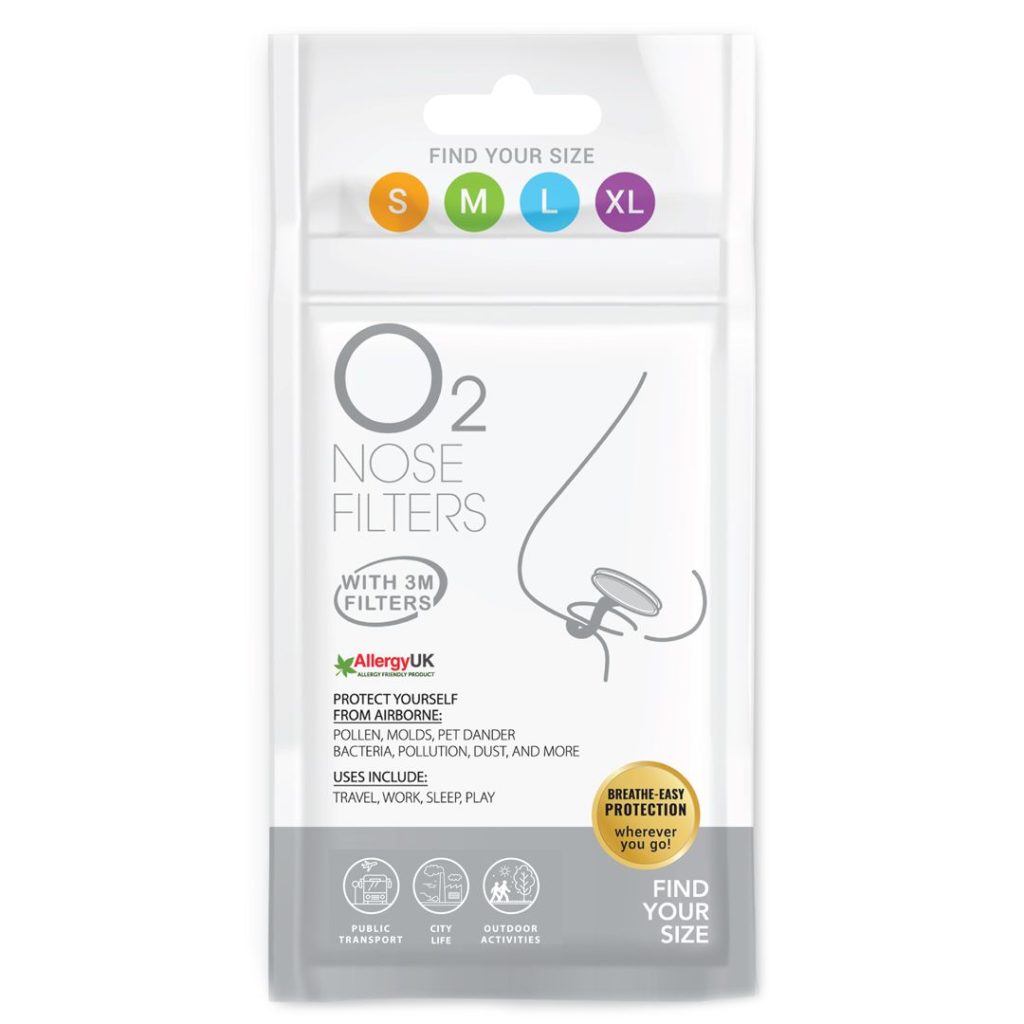
While engineering controls and OSHA-recommended safety practices should always be the primary methods of controlling construction dust, O2 Nose Filters offer an additional layer of personal protection by helping reduce the amount of everyday airborne dust, pollen, and other particulates entering your nose.
Designed to fit comfortably inside the nostrils and remain virtually invisible while worn, O2 Nose Filters provide a lightweight, discreet option for people who regularly encounter dusty environments without interfering with everyday activities.
Explore the full line of O2 Nose Filters and take a simple step toward protecting every breath.
Recommended products
-

O2 Nose Filters Sizing Pack
$5.99 -
O2 Nose Filters | 10 Pack
$10.95 — or subscribe to save 10% -
O2 Nose Filters | 20 Pack
$18.95 -
O2 Nose Filters | 30 Pack
$27.99



Final Thoughts
Construction dust is more than just a nuisance; it’s a complex mixture of airborne particles that can affect your respiratory health over time. Whether you’re exposed daily on the job or occasionally during home improvement projects, understanding the risks and taking practical steps to reduce exposure can make a meaningful difference.
Cleaner air starts with awareness, good safety practices, and choosing the right protective measures for your environment.