Home renovation projects can transform an outdated space into something fresh, functional, and beautiful. But whether you’re sanding cabinets, replacing flooring, tearing out drywall, or tackling a full remodel, home renovation air quality is one part of the project that’s easy to overlook.
Renovation work can release dust, fine particles, and other pollutants into the air. Without proper precautions, these contaminants can spread beyond the immediate work area and linger throughout your home. Understanding the hidden air quality risks of home renovation projects can help you take smarter steps to reduce exposure while getting the job done.
How Home Renovation Dust Can Affect Indoor Air Quality
Dust is practically unavoidable during a renovation. Sanding wood, cutting drywall, drilling, demolition, and removing old materials can all send particles into the air. Some construction activities can also generate potentially hazardous dust, including wood dust, lead dust, and respirable crystalline silica.
Airborne renovation dust isn’t always easy to see. Fine particles can remain suspended in the air, move into nearby rooms, and eventually settle on furniture, floors, and other surfaces. Even smaller DIY home improvement projects can create more airborne debris than you might expect.
Older homes may require additional precautions. The U.S. Environmental Protection Agency (EPA) advises treating paint in homes built before 1978 as though it contains lead unless testing shows otherwise. Materials suspected of containing asbestos should not be disturbed without appropriate professional guidance.
Paints, Adhesives, and Finishes Can Release VOCs
Particles aren’t the only indoor air quality concern during remodeling. Many products commonly used in home renovation projects—including paints, varnishes, sealants, adhesives, and certain building materials—can release volatile organic compounds (VOCs). The EPA notes that remodeling can introduce or increase indoor pollutants from new materials as well as materials disturbed during the work.
Ventilation is especially important when working with products that can off-gas. Opening windows and using appropriate exhaust ventilation can help move polluted indoor air outside and bring fresher air into the space. EPA guidance also recommends continuing strong ventilation after applying paints or finishes or installing materials that may off-gas.
Remember that particle filtration and ventilation serve different purposes. A particle filter does not replace proper ventilation or appropriate respiratory protection when working around hazardous dust, chemical vapors, lead, asbestos, silica, or other regulated materials.
How to Keep Renovation Dust and Pollutants from Spreading
One of the most effective ways to protect indoor air quality during a renovation is to control contaminants at the source. EPA remodeling guidance recommends minimizing dust where possible, containing unavoidable dust with barriers, and using exhaust ventilation to help keep pollutants from spreading through the home.
Before starting your next home renovation project, consider these practical precautions:
- Isolate the renovation area from the rest of the home with appropriate barriers.
- Use tools and work methods designed to minimize dust.
- Ventilate the workspace appropriately and exhaust polluted air outdoors when suitable.
- Clean surfaces and debris regularly instead of allowing renovation dust to accumulate.
- Keep children and other occupants away from active work areas.
- Use protective equipment appropriate for the specific materials and hazards involved.
These steps can help keep your renovation cleaner while reducing unnecessary exposure to airborne particles and other indoor pollutants.
Add Another Layer of Particle Filtration with O2 Nose Filters
You may be focused on what your renovated space will look like when it’s finished, but don’t forget about what you’re breathing while you get there.
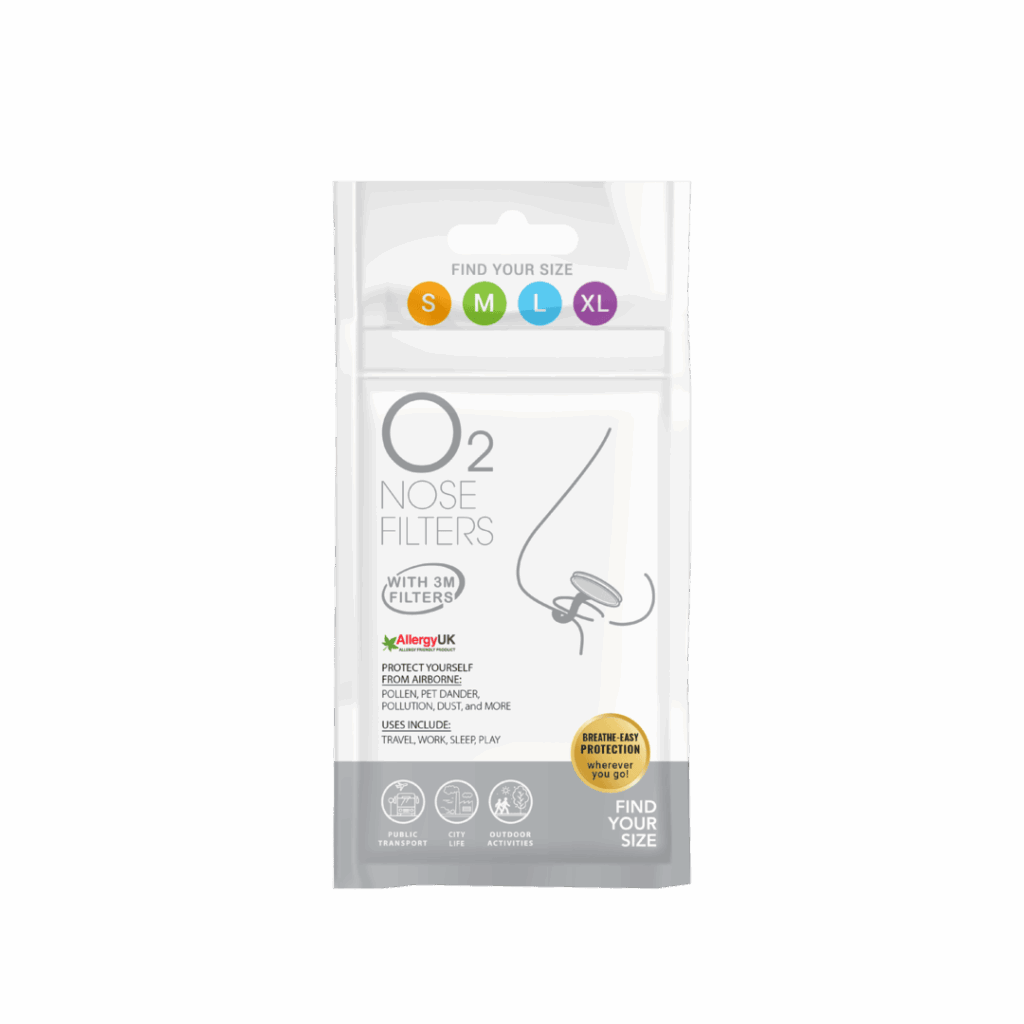
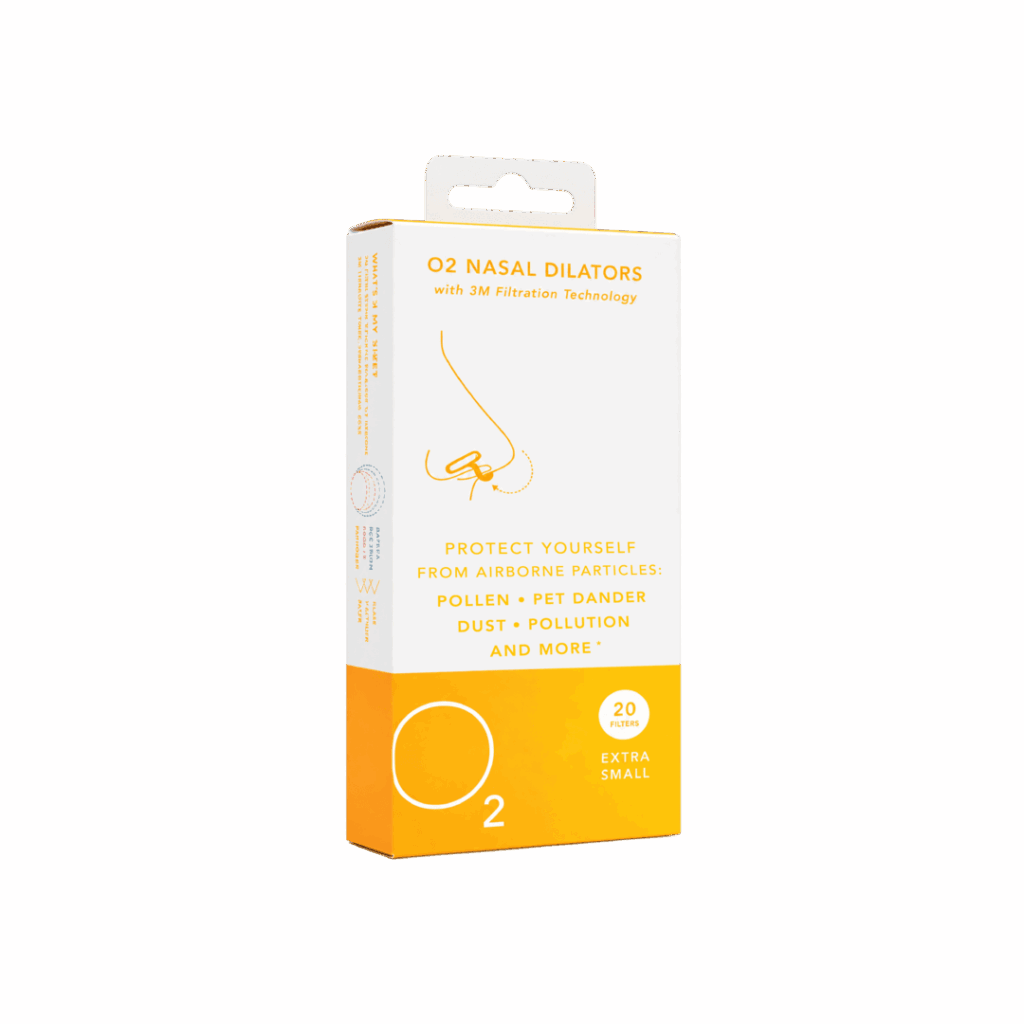
O2 Nose Filters offer a discreet, lightweight way to help filter airborne particles entering through the nose, making them a convenient option for many everyday dusty environments. For people who want added particle filtration without covering the entire face, they can provide a simple, low-profile option during appropriate home improvement tasks.
For hazardous construction materials or tasks requiring certified respiratory protection, always follow applicable safety guidance and use the proper protective equipment. O2 Nose Filters are not a substitute for required respirators, ventilation, or professional remediation. For everyday airborne dust and particles, however, they can provide an additional layer of filtration.
Protect your breathing while you improve your space. Shop O2 Nose Filters today and add a simple layer of particle filtration to your next home renovation project.
Recommended products
-

O2 Nose Filters Sizing Pack
$5.99 -
O2 Nose Filters | 10 Pack
$9.99 — or subscribe to save 10% -
O2 Nose Filters | 20 Pack
$18.99