
Breathing is one of the most fundamental and automatic functions of the human body, yet it’s something we often take for granted. Every day, we inhale and exhale thousands of times, but do we truly understand the intricate mechanics behind each breath? Let’s dive into the science of breathing; such as how our bodies process air, the crucial role of the diaphragm, and how the way we breathe affects our overall health.
The Mechanics of Breathing
When we inhale, air enters our body through the nose or mouth. From there, it travels down the windpipe (trachea) and into the bronchi, which are two tubes that direct air into each lung. Once in the lungs, the air reaches smaller airways called bronchioles, and finally, tiny sacs called alveoli. It’s here in the alveoli where oxygen from the air diffuses into our blood, while carbon dioxide moves out of the blood and into the lungs to be exhaled.
This exchange of gases is facilitated by a process known as diffusion. The alveoli are surrounded by tiny blood vessels called capillaries, and the walls of these capillaries are thin enough to allow oxygen and carbon dioxide pass through. Oxygen molecules move into the blood, binding to red blood cells and travel to the heart, which then pumps the oxygen-rich blood to organs and tissues throughout your body. Meanwhile, carbon dioxide, produced by our cells as a byproduct of energy production, is transported back to the lungs to be exhaled.
The Role of the Diaphragm
The diaphragm is a muscle that’s at the center of our respiratory process and plays a critical role in breathing. The diaphragm is a large, dome-shaped muscle located just beneath the lungs. It separates the chest cavity from the abdominal cavity and works in coordination with other muscles to facilitate breathing.
When you inhale, the diaphragm contracts and flattens. This creates more space in the chest cavity, causing the lungs to expand. As the lungs expand, air is drawn in through the airways to fill the increased volume. When you exhale, the diaphragm relaxes and moves back to its dome shape, reducing the space in the chest cavity and forcing air out of the lungs. This simple yet powerful process is often overlooked, but it’s essential for the efficient movement of air in and out of the lungs. In fact, deep diaphragmatic breathing is one of the most effective ways to increase lung capacity and improve oxygen intake. When we breathe shallowly, as we often do during stressful situations, we don’t fully engage the diaphragm, which can lead to less efficient oxygen exchange.
Breathing and Health
While breathing is largely an unconscious process, the way we breathe can have a profound impact on our overall health. Shallow, rapid breathing, which is common during stress, can lead to a host of issues. When we breathe rapidly, we often over-breathe, exhaling too much carbon dioxide and creating an imbalance in the body’s PH levels. This can lead to symptoms like dizziness, lightheadedness, and anxiety. On the other hand, slow, deep breathing can help to calm the nervous system, lower heart rate, and promote relaxation. Additionally, efficient breathing plays a role in exercise performance and recovery. During physical exertion, the body requires more oxygen to fuel muscles. By breathing deeply and efficiently, we ensure that more oxygen reaches the bloodstream, enhancing performance and recovery.
O2 Nose Filters for Optimal Breathing Quality
Breathing may seem like a simple, automatic process, but it’s actually a complex mechanism that involves several systems working in harmony. Understanding how the body processes air, the importance of air quality, the critical role of the diaphragm, and how our breath affects health can help us take better care of our bodies.
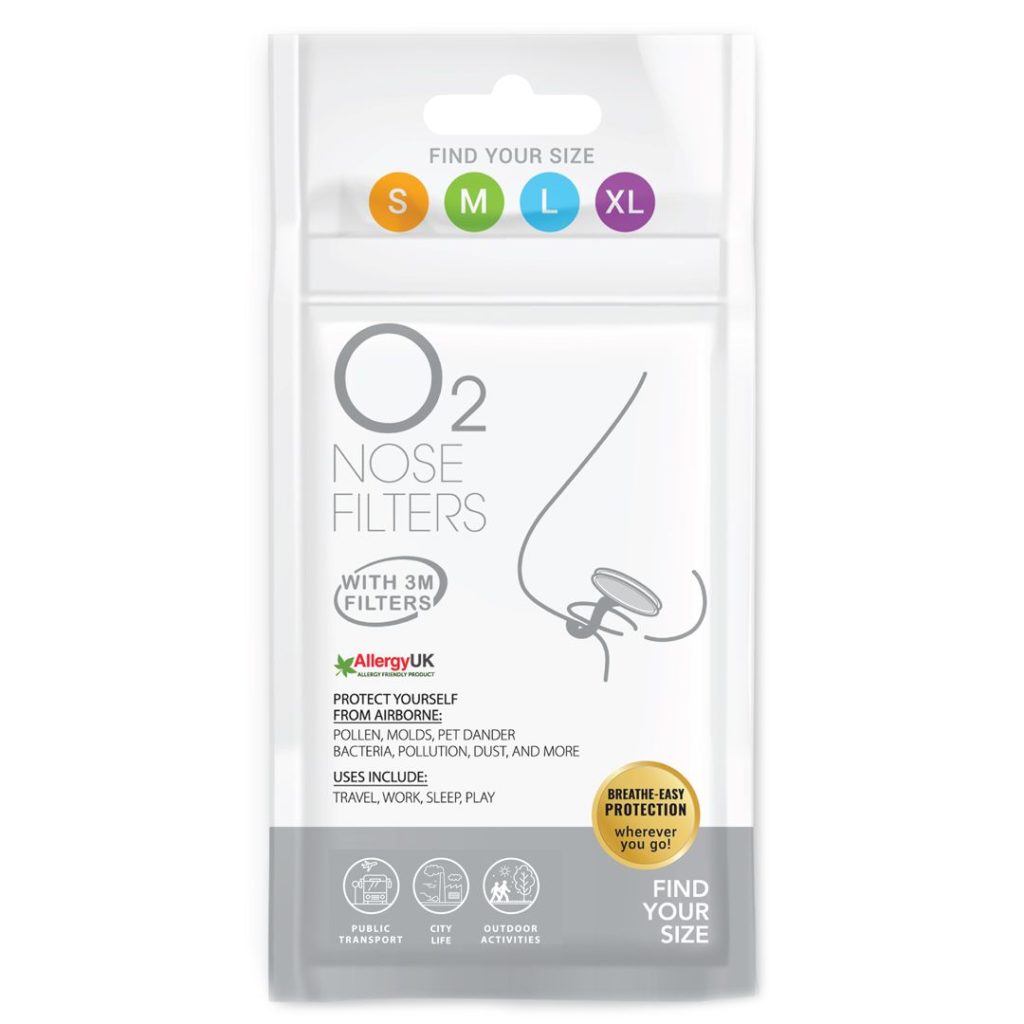
The rise in air pollution, for instance, has also dramatically affected our society’s breathing quality. Fortunately, O2 Nose Filters helps prevent harmful particulate matter from entering and potentially affecting your nasal cavities. O2 Nose Filters has been proven in controlled studies to help protect wearers from inhaling airborne particles such as bacteria, viruses, dust, exhaust fumes, smoke, and other pollutants. Independent laboratory tests demonstrate that 3M’s Advanced Electret Media in O2 Nose Filters block 90% of particulates at PM10 and 65% of particulates at PM2.5. Additionally, O2 Nose Filters are comfortable to wear due to their latex-free design and medical-grade Thermoplastic Elastomer (TPE) materials.
O2 Nose Filters provides inexpensive and effective security to protect people from harmful air pollution. While our nasal passageways try their best when it comes to filtering harmful particulate matter, they aren’t perfect. That’s why O2 Nose Filters are such an effective solution when it comes to improving our mental and physical health. Nose filters are a discreet, effective option to protect against air pollutants. The O2 Nose Filter uses 3M’s patented AEM™ electrostatic technology to capture allergens, viruses, and other particulates, making them a valuable tool for anyone who wants to drastically limit the pollutants they breathe in daily.
Recommended products
-

O2 Nose Filters Sizing Pack
$5.99 -
O2 Nose Filters | 10 Pack
$10.95 — or subscribe to save 10% -
O2 Nose Filters | 20 Pack
$18.95