
When we think about air pollution, the health of our lungs and heart often come to mind. But increasingly, scientists are pointing to another target, being the brain. The air you breathe every day doesn’t just affect your respiratory system, as it can quietly influence how your brain works, ages, and even how resilient it remains over time. Keep reading to learn how air quality affects the human brain, and how O2 Nose Filters can provide protection from harmful particulate matter.
Tiny Particles Can Leave a Big Impact
One of the key culprits of harmful air quality is fine particulate matter, particularly particles 2.5 micrometers in diameter or smaller (PM 2.5). These particles are capable of penetrating deep into the lungs, entering the bloodstream, and ultimately reach organs like the brain. Once in the brain, particulate matter can trigger inflammation and oxidative stress, which are two processes strongly linked to brain damage.
In fact, research has found that even air pollution levels once considered safe can actually alter brain connectivity in children and adolescents. A 2023 study from the Keck School of Medicine at USC found that kids exposed to more pollutants had irregular brain network connectivity, and these changes may indicate future cognitive or emotional problems.
Changes in Brain Structure
Long‐term exposure to air pollution doesn’t just affect function, it also appears to affect form. Imaging studies show that adults exposed to higher pollution levels tend to have measurable differences in brain structure, being smaller volumes in certain regions, thinner cortices, and weaker connectivity in major brain networks. For older adults, those structural changes are more dire.
A study from University College London found that long‐term exposure to PM 2.5 was associated with lower scores in cognitive tests. Even more troubling is the accumulating evidence connecting air pollution to neurodegenerative diseases, as there are studies that have linked air pollution exposure with cognitive impairment and neurological diseases.
How Polluted Air Reaches the Brain
Scientists have proposed two main pathways, being:
- Direct Route: Ultrafine particles (smaller than PM 2.5) may travel from the nose via the olfactory nerve directly into the brain.
- Indirect Route: PM 2.5 reaches the lungs, then passes into the bloodstream, circulates to the brain, and triggers inflammation or vascular damage.
Once inside, these particles may activate immune cells in the brain (microglia), release toxic chemicals, or disturb normal brain cell functioning, all of which may contribute to the kind of ongoing damage seen in cognitive decline. While the link between air quality and brain health may sound abstract, it has real‐world consequences. From improved risk of dementia to better cognitive performance in children, cleaner air looks like an important brain protection strategy. Given how slowly the brain can recover from damage, taking preventive action matters.
O2 Nose Filters: Protect Your Brain with Better Air
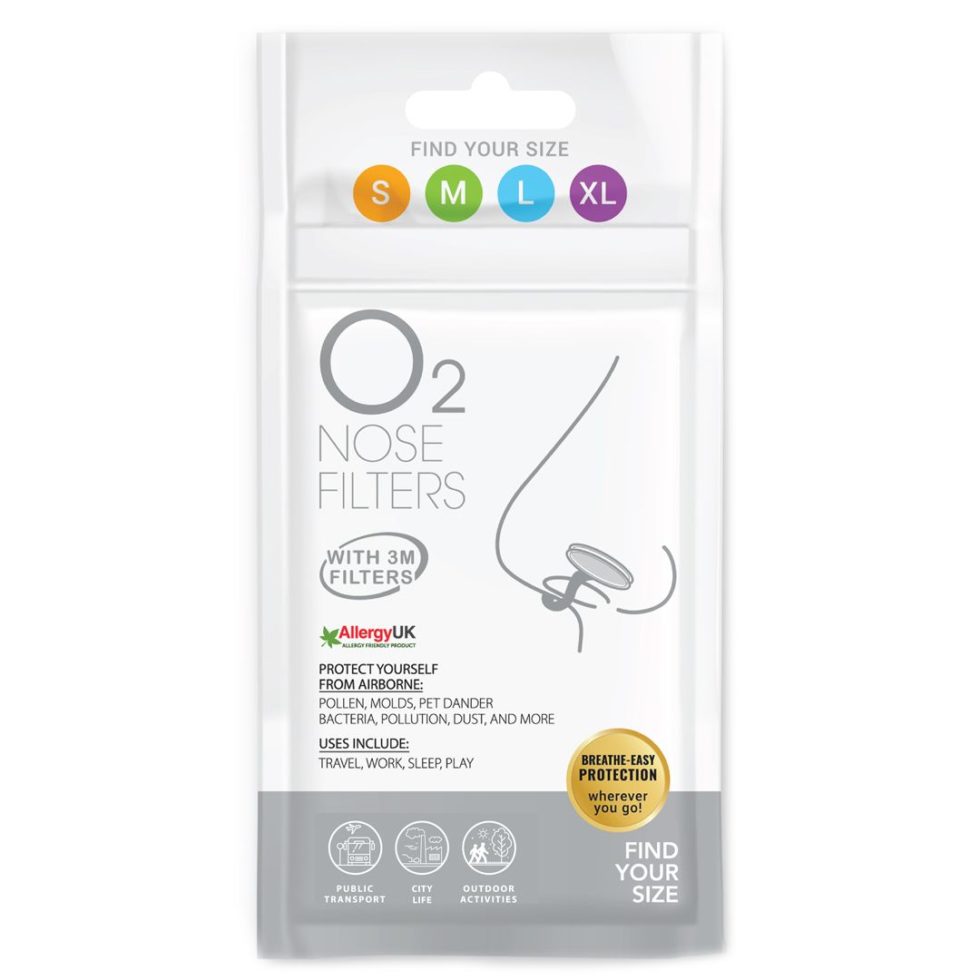
One thing is clear as research mounts, better air results in improved brain health. That’s where tools like O2 Nose Filters come in. If you’re concerned about air quality (whether from city traffic, wildfire smoke, indoor pollutants, or just everyday exposure), using a high‐performance filter designed to reduce inhalation of fine particles can make a difference. By equipping yourself with the right protection, you’re taking an active step to guard not just your lungs, but your brain as well. Don’t wait until you notice symptoms, explore how our product works to filter fine particulates and give your brain the clean air advantage it deserves.
Recommended products
-

O2 Nose Filters Sizing Pack
$5.99 -
O2 Nose Filters | 10 Pack
$10.95 — or subscribe to save 10% -
O2 Nose Filters | 20 Pack
$18.95